Some games are played. Others are lived. Disco Elysium is the latter. Developed by ZA/UM, this isometric RPG dropped players into the rain-soaked streets of Revachol West 1 in 2019, and it has not left the conversation since. By 2026, it stands as one of the most critically celebrated narrative RPGs ever made, a benchmark against which storytelling in games is measured. Whether you are revisiting it or encountering it for the first time, Disco Elysium remains an experience that demands your full attention and rewards it like few others can.
The premise is brilliantly simple: you are a detective with a devastating hangover, standing in the middle of a crime scene with no memory of who you are. The case is a hanged man. Your partners are confused. Your own mind is a battlefield of competing voices, each representing a different aspect of your fractured psyche. From the moment you stumble out of the Whirling-in-Rags hotel, every choice you make shapes not just the investigation, but who you choose to become.
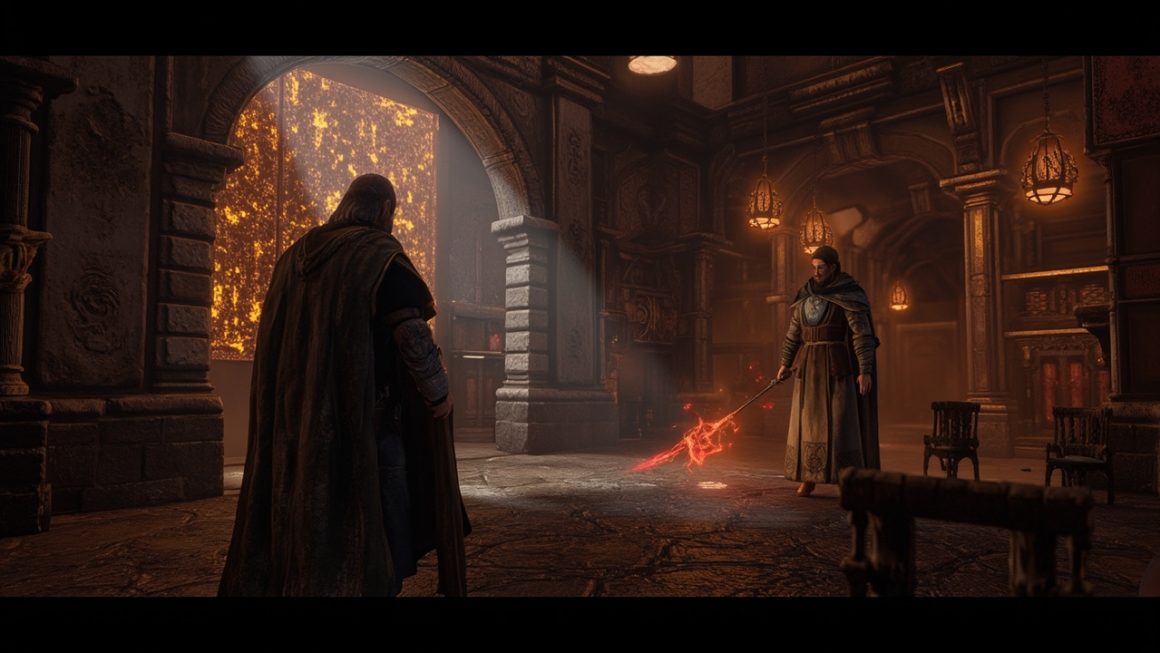
Disco Elysium throws out the traditional RPG rulebook. There is no combat in the conventional sense. Instead, dialogue is the battlefield. Your interactions with citizens of Revachol are governed by a stunning array of skill checks, from the brute force of Physical Instrument to the silver tongue of Authority, from the existential musings of Inland Empire to the cold logic of Shivers. Every skill levels up independently, and each one has something to say. Literally. Your skills talk to you, argue with you, and occasionally take control of your body. It is a system unlike anything else in gaming.
The writing is simply extraordinary. The dialogue is dense, darkly funny, and achingly human. Revachol is a city haunted by a failed revolution, and the game never lets you forget it. Side characters you meet for five minutes will say something that stays with you for years. The political themes run deep without becoming preachy, touching on Marxism, fascism, ultraliberalism, and moral abstraction through the lens of a city that has seen better days. This is a game that trusts its players to think.
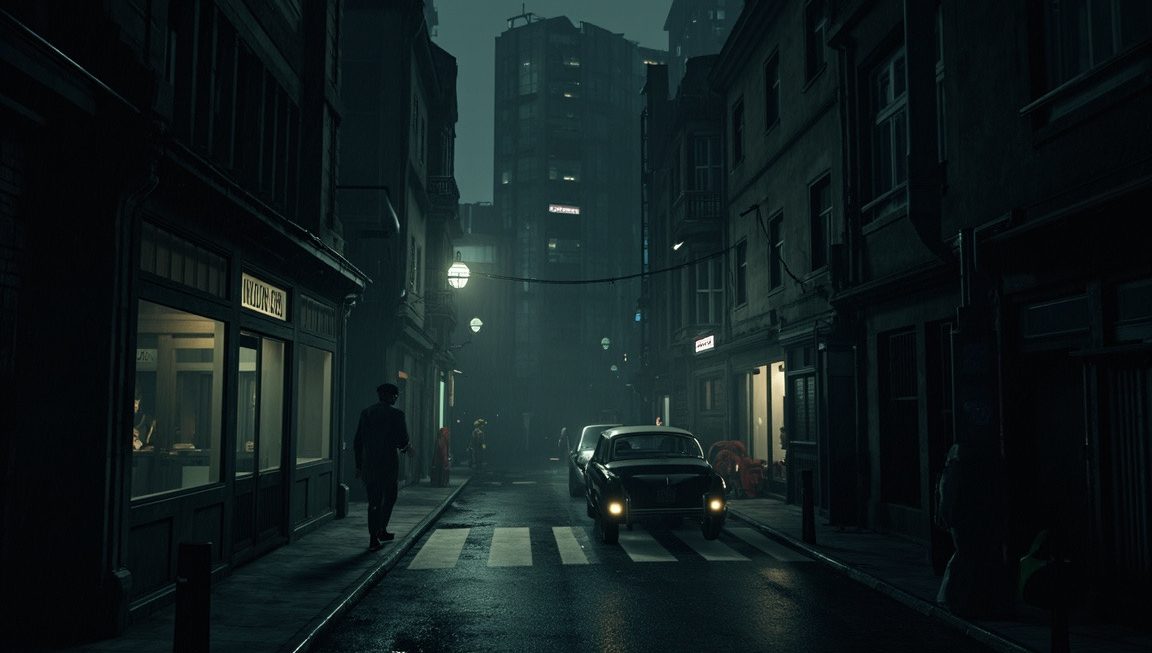
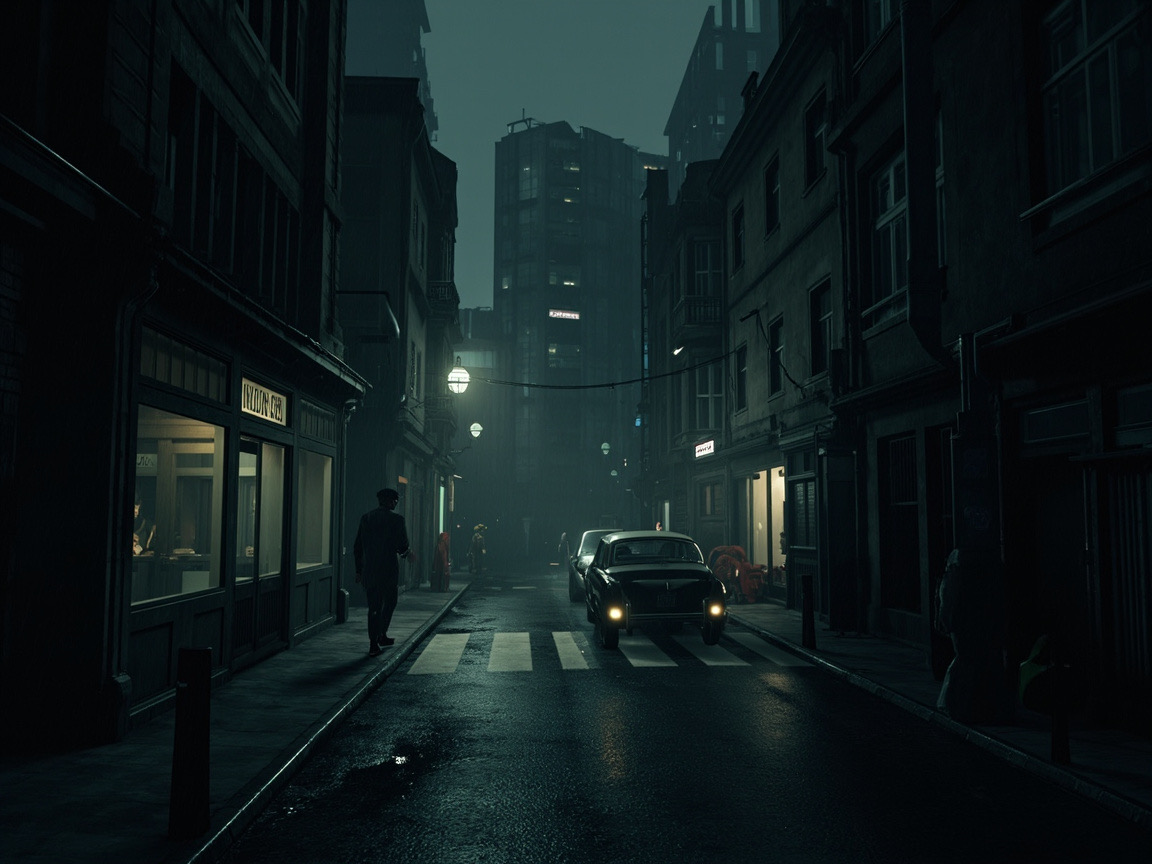
Visually, the game embraces a distinct painterly style. The rain-glossed streets, the crumbling apartment blocks, the hand-painted character portraits — every frame looks like a political cartoon come to life. It is a world rendered with intention and artistry, not photorealism for its own sake. The soundtrack by British Sea Power, paired with the rain and the ambient sounds of Revachol, creates one of the most atmospheric game worlds ever constructed.
At its core, Disco Elysium is a game about failure and redemption. Your detective is a disaster. He is cruel, pathetic, brilliant, and broken all at once. And somehow, through the wreckage of his choices, something meaningful emerges. By the time the case closes and the credits roll, you are not just finishing a game — you are emerging from an experience that has changed the way you think about storytelling in interactive media.
For anyone building a PC game library in 2026, Disco Elysium is not optional. It is essential. ZA/UM crafted something that transcends the medium, a game that proves video games can be literature, philosophy, and art all at once. No other game offers what this one delivers: a mirror held up to the player and a city that feels more real than anywhere else in gaming.