Portal 2 Review 2026: More than a decade after its original release, Portal 2 remains one of the most celebrated puzzle-platformer games ever created. Developed by Valve Corporation, this sequel builds on the revolutionary mechanics of the original while delivering one of the most memorable cooperative experiences in gaming history. Whether you are revisiting it in 2026 or experiencing it for the first time, Portal 2 still feels astonishingly fresh, smart, and surprisingly funny.

Portal Gun Mechanics — Simplicity That Changes Everything
The core mechanic of Portal 2 is deceptively simple: you carry a device that shoots two linked portals onto flat surfaces, allowing you to walk through one and exit the other. That is it. No combat, no inventory management, no experience points. Just portals. What Valve does with this single idea over the course of dozens of test chambers is nothing short of extraordinary. Each new puzzle layer introduces physics-defying scenarios that feel impossible until you suddenly see the solution — and then they feel obvious.
The game introduces gel-based mechanics in its later chambers. Repulsor gel makes you bounce, propulsion gel speeds you up, and conversion gel lets you place a portal on surfaces that would normally reject one. These additions multiply the complexity without breaking the elegant simplicity that made the original Portal so compelling. Every test chamber is a tiny epiphany waiting to happen.
Single-Player Campaign — Wheatley and GLaDOS at Their Best
The single-player story follows Chell, the silent test subject, as she is guided through the dilapidated Aperture Science facility by Wheatley, a personality core with the worst planning skills in existence. Stephen Merchant voices Wheatley with brilliant comedic timing, and his arc from bumbling sidekick to megalomaniacal villain is one of the best written in gaming. The writing sharpens considerably from the original Portal, with smarter jokes, darker themes, and a surprisingly emotional ending.
GLaDOS, voiced by Ellen McLain, returns as the facility’s resident AI antagonist, and she is better than ever. Her dark wit, her passive-aggressive compliments, and her grudging respect for Chell as a test subject make every scene with her electric. The writing team clearly had a field day crafting her insults and song parodies. The musical number in the basement chapters is a particular highlight that no one forgets.
Cooperative Mode — Two Players, One Brilliantly Designed Experience
Portal 2’s cooperative mode is not an afterthought tacked on for multiplayer bragging rights. It is a fully realized campaign designed from the ground up for two players, with mechanics that only work when both parties coordinate. One player places the entry portal, the other places the exit. Communication is not optional — it is the puzzle itself. Puzzles that seem solvable by one person become completely different challenges when you have a partner, and the satisfaction of synchronizing with a stranger or a friend is genuinely unique.
The cooperative bot characters — Atlas and P-Body — are charming in their mechanical stiffness, and their dedicated test chambers escalate in difficulty with satisfying pacing. Valve clearly put as much love into the co-op campaign as the single-player story, and it shows. The co-op mode alone justifies the price of admission.
World Design and Atmosphere — Aperture Science Comes Alive
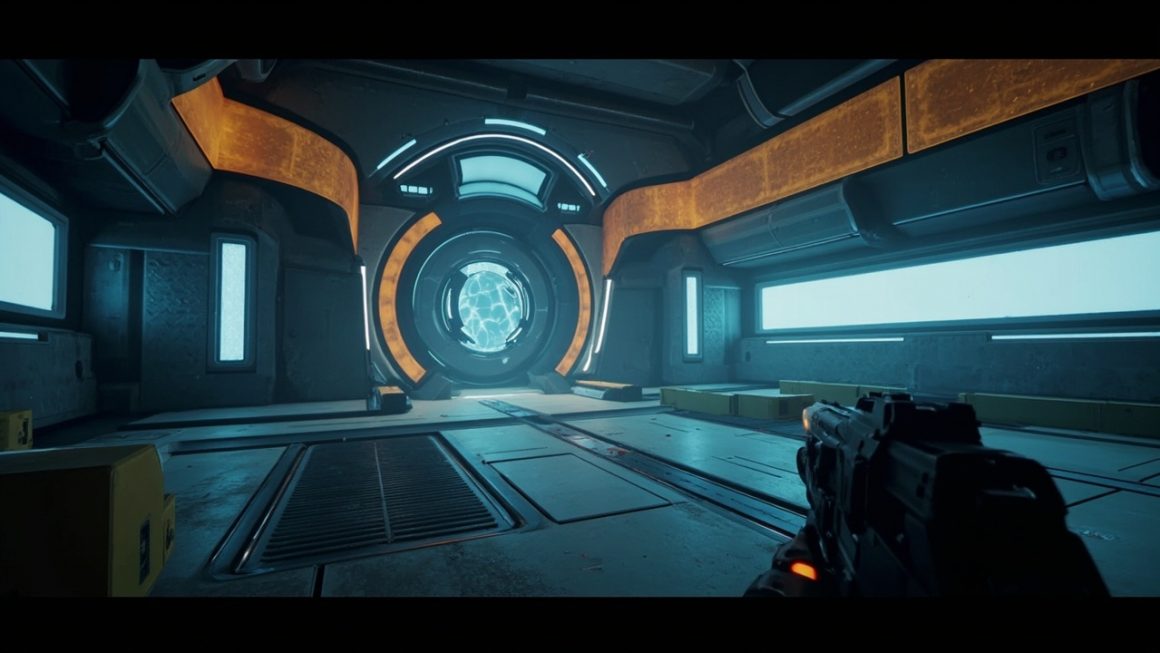
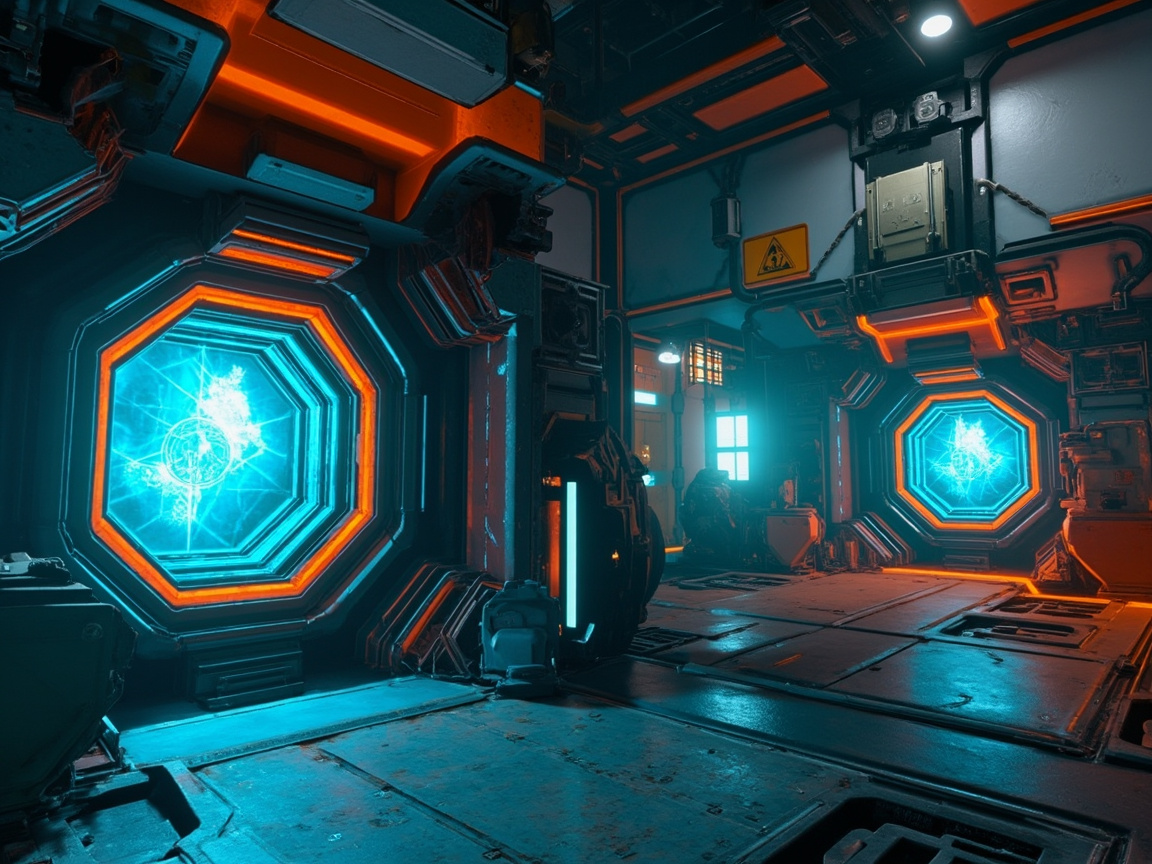
The visual design of Portal 2 is a masterclass in environmental storytelling. Aperture Science is presented as a once-mighty research corporation that has clearly seen better days. Crumbling architecture, flickering lights, abandoned break rooms, and retro-futuristic signage create a setting that is equal parts creepy and hilarious. The contrast between GLaDOS’s sterile white test environments and the rusty, overgrown relaxation vault areas is visually striking and tonally perfect.
The soundtrack, composed by Mike Morasky, is one of the finest in gaming. It shifts seamlessly between clinical, tense compositions for test chambers and sweeping orchestral pieces for story moments. The “Want You Gone” song closing the game is a masterclass in using music to punctuate narrative.
Replayability and Community
Beyond the main campaigns, Portal 2 offers a full level editor called Aperture Science Test Chambers, allowing players to create, share, and play community-built puzzles. The community has produced thousands of chambers over the years, many of which rival or exceed the quality of Valve’s own content. There are community puzzles that play with portal mechanics in ways the developers never imagined, extending the game’s life indefinitely.
For speedrunners, Portal 2 is a deep playground. The physics engine allows for glitches and tricks that reward deep knowledge of the systems, and competitive speedrunning has an active community to this day. Even if you are not a speedrunner, watching top-tier play reveals just how much depth is buried under the surface-level simplicity.
Final Verdict — Still a Benchmark for Puzzle Game Design
Portal 2 is not just one of the best puzzle games of all time — it is one of the best games of all time, period. Its writing, its mechanical depth, its cooperative design, and its atmosphere are so consistently excellent that complaining about any single element feels petty. It is the rare game that is simultaneously accessible to anyone with a mouse and keyboard and deep enough to reward hundreds of hours of community puzzle creation and speedrunning.
In 2026, with dozens of puzzle games having taken inspiration from its portal mechanics, Portal 2 still stands above almost all of them. It taught an entire generation of game designers what a puzzle game could be, and its influence is visible in every title that dares to build a whole game around a single clever idea. If you have never played it, stop reading and go install it right now. If you have not played it in years, give it another shot — it holds up better than almost anything else in your library.
Official Website: https://www.portal2.com